
 Make a call
 Prospectus
 Email
Email
 Whatsapp
AI literacy, data interpretation and adaptability top the list right now, alongside long-standing essentials like commercial awareness and communication.
What skills do employers expect from business graduates in 2026
What skills do employers expect from business graduates in 2026? Explore the top UK workplace skills and find out how a GBS business degree prepares you for a successful career.

Business and management is the most popular subject area in the UK, making up 20% of all students on campus this year. With 2,174,500 students studying at UK higher education providers in 2024–25, the business classroom is a crowded one, and employers are watching closely to see who comes out of it work-ready. A degree only makes you eligible to apply for various roles, but it is your practical employability skills that will determine whether you land the role.
Three-quarters of UK firms say artificial intelligence (AI) has changed the business skills employers look for from staff and requisitions for AI-related jobs have grown 5.5 times over in some organisations in a single year. Adapting to this shift requires updating your everyday workplace toolkit. A modern business degree can equip you with the key employability skills that every business graduate needs, turning academic theory into career momentum from day one.
Key takeaways
- Business and management make up 20% of all UK higher education students this year, so employability skills are what set you apart from the crowd.
- AI and machine learning (ML) have overtaken data analysis as the UK's most in-demand technical skills.
- Commercial awareness remains the skill that turns a good CV into a job offer, whatever sector you're aiming for.
- Employers increasingly hire for potential and adaptability over a finished, ready-made skill set.
- Strong employability skills prepare a business graduate for roles across operations, finance, marketing, consulting and project delivery.
- Sustainability and ethical judgement are moving from optional extras to core expectations in graduate hiring.
Table of Contents
- Key takeaways
- 1. Practical AI literacy
- 2. Data interpretation
- 3. Commercial awareness
- 4. Digital collaboration
- 5. Problem solving
- 6. Stakeholder communication
- 7. Adaptability
- 8. Evidence-based decision-making
- 9. Active ethical governance
- 10. Sustainability awareness
- Develop in-demand business skills with GBS
- FAQs about skills employers expect from business graduates in 2026
1. Practical AI literacy
You do not need to code to be AI literate. Employers are looking for graduates with the ability to use AI tools intelligently, to question the output of these tools and to identify areas that still require human review. ML and AI have overtaken data analysis as the most in-demand employability skill in the UK industry. Firms in banking, insurance and pensions report that AI literacy is now expected in roles that that had not previously dealt with it, such as customer service and reporting. If you can use these tools with some judgement rather than blind trust, you are already ahead.
2. Data interpretation
Every department produces numbers now, from marketing dashboards to finance reports. Employers do not require you to be a statistician. They need you to look at a spreadsheet and explain, in plain English, what it means for the next decision. This skill sits under almost every graduate role position available today. A business degree gives you regular practice turning raw data into clear recommendations, demonstrating the exact business skills employers are looking for.
3. Commercial awareness
Commercial awareness means understanding how a business makes money and where pressure points sit. It is less about memorising facts and more about reading the room: knowing your customer, your competitors and your market. Recruiters test for this constantly, often through a simple question like ‘what would you do differently if you ran this company?’ Reading the news, following your target sector and asking questions in every work placement build this skill faster than any textbook.
4. Digital collaboration
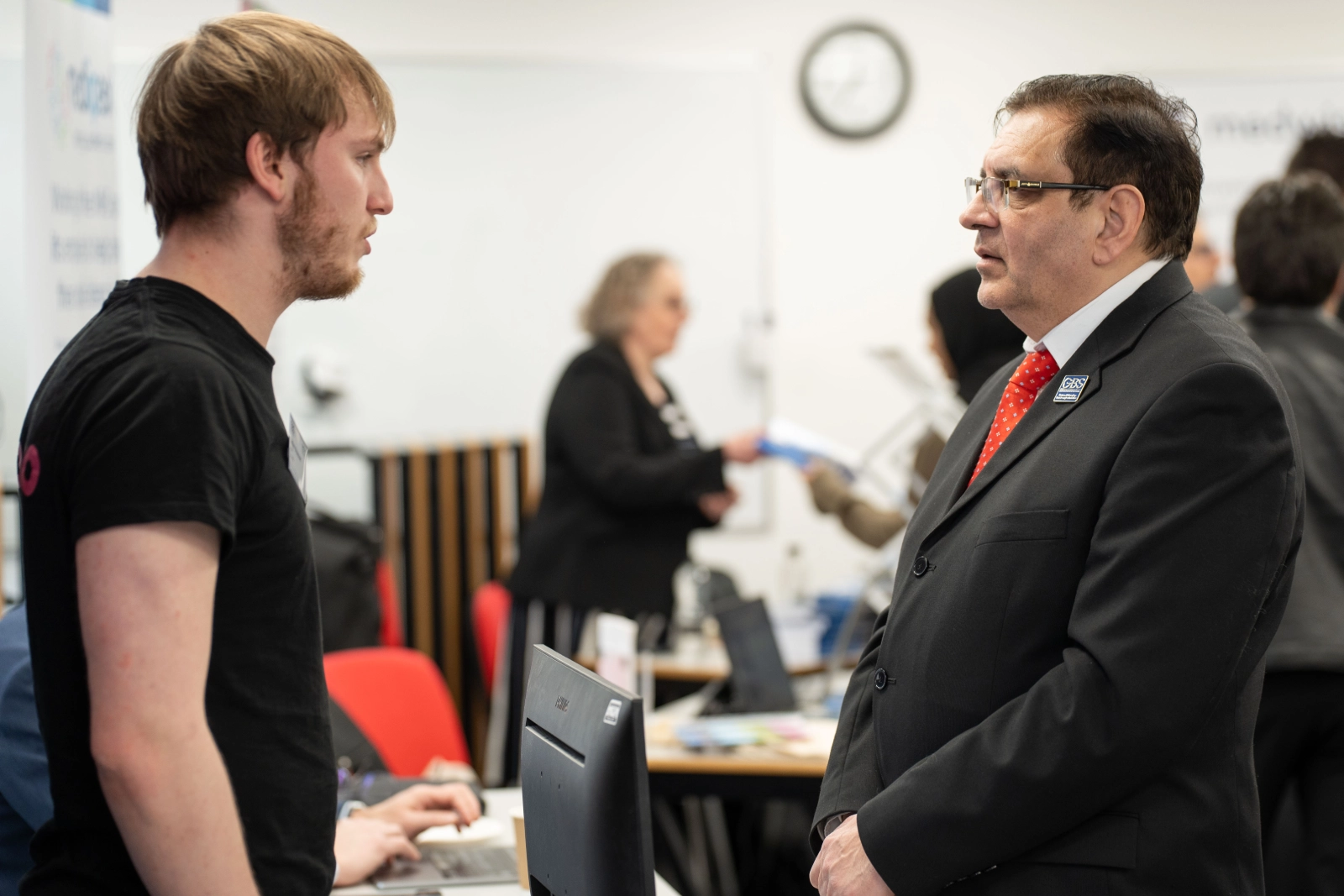
Hybrid and remote working are now standard across UK businesses, which means working on shared documents, video calls and project boards with people you might never meet in person. Group projects on a business course build these employability skills naturally, mirroring how cross-functional teams operate day-to-day in marketing, finance, or consulting.
5. Problem solving
Employers rarely hire you to follow a script. They hire you to notice when something is not working and to suggest a fix. Problem solving covers everything from a supply chain delay to a client who has changed their mind halfway through a project. Case study work on a business degree trains this muscle directly. You are handed a messy, real-world situation and asked to work through it logically, which closely resembles what a business-related role looks like.
6. Stakeholder communication
A brilliant idea is worth very little if you cannot explain it to the people who need to approve it, fund it or act on it. Stakeholder communication means adjusting your message for a finance director, a junior colleague or an external client, without losing substance. This is one of the clearest gaps employers report. Analytical thinking remains the single most sought-after skill among global employers and communication is what carries that thinking to the people who need to hear it.
7. Adaptability
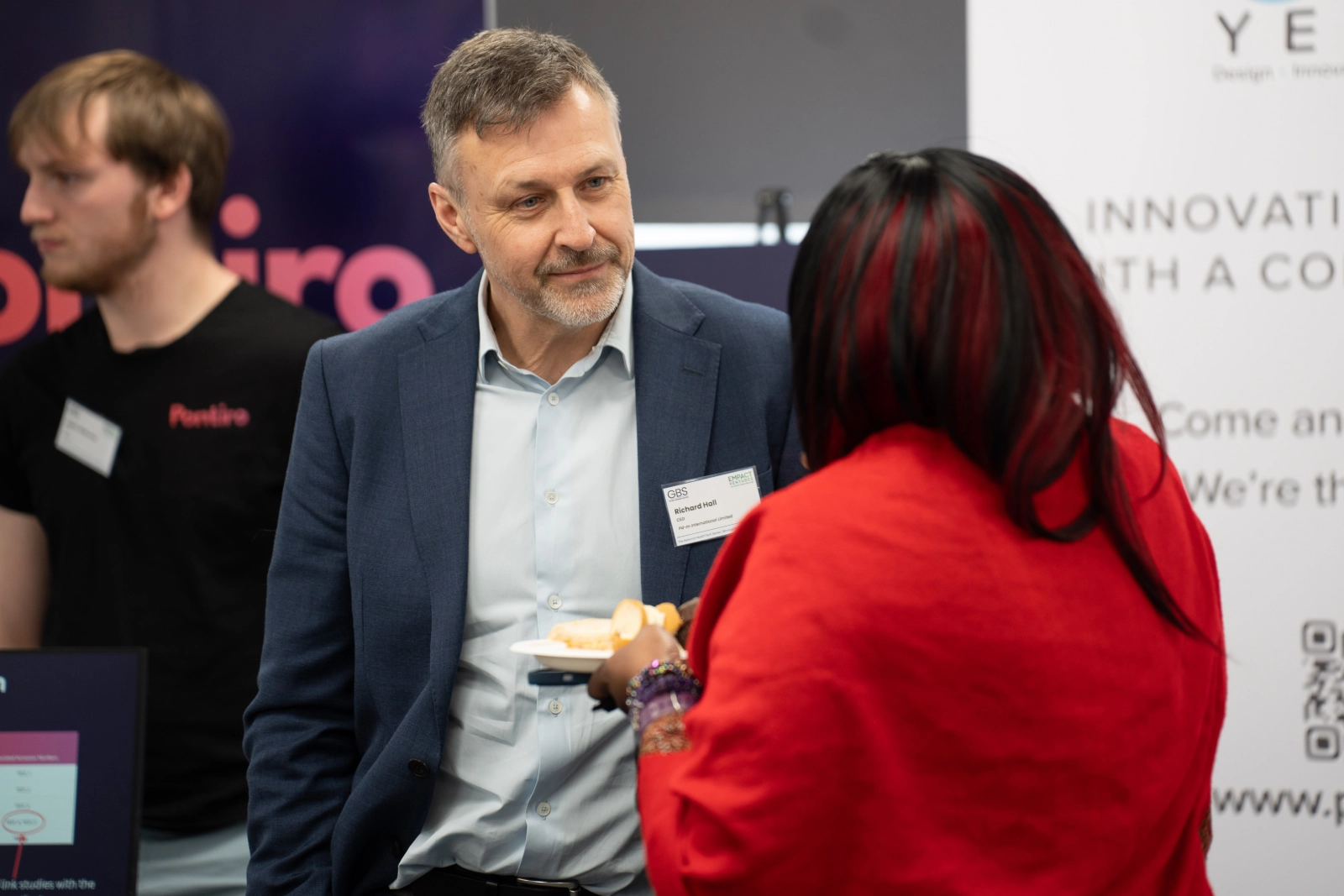
Two out of five workers can expect their existing skill set to change or become outdated between now and 2030. Adaptability or your ability to shift your approach when the plan changes, now shows the widest gap between what employers need and what they can find. Business degrees that mix theory with live case studies, group work and placements build this resilience naturally. You get used to changing directions when new information comes in, rather than sticking rigidly to a plan that no longer fits.
8. Evidence-based decision-making
Gut feelings still matter in business, but employers increasingly want decisions backed by evidence, whether market research, financial modelling or customer feedback data. This skill blends data interpretation with commercial judgement. A business degree gives you repeated practice building a case, testing it against real figures and defending your reasoning to a sceptical audience, which is close to what happens in a boardroom or client meeting.
9. Active ethical governance
Using modern technology like Generative AI (GenAI) brings real responsibilities around data privacy, copyright and fairness. British employers want graduates who protect customer data and uphold strong ethical standards in every project. Knowing how to use digital tools without compromising privacy safeguards your employer's market reputation.
10. Sustainability awareness
Sustainability has moved from a nice extra to a genuine business skill. Employers expect graduates to understand how environmental, social and governance (ESG) considerations affect financial decisions, rather than treating them as a separate conversation. Business schools are responding by weaving sustainability into finance, entrepreneurship and management modules rather than teaching it as a standalone topic, which better reflects how real organisations now operate.
Develop in-demand business skills with GBS
Business degrees at Global Banking School (GBS) are built around the practical employability skills UK employers are actively seeking. Our programmes combine core business theory with practical, real-world applications, so you graduate with a portfolio of skills you can point to in an interview.
- BA (Hons) Global Business and Entrepreneurship with Foundation Year: Learn how to validate commercial ideas, manage early-stage finances, and lead small teams through changing market conditions.
- BSc (Hons) Business & Tourism Management: Manage visitor destinations, handle service operations and run sustainable leisure events.
- BA (Hons) Global Business (Business Management) with Foundation Year: Develop key skills in team coordination, commercial decision-making and project delivery across global markets.
- HND in Business: A hands-on route into modern business roles with a curriculum that focuses on practical management tasks, business accounting and digital marketing tools that prepare you for immediate workplace responsibilities.
- MSc Global Business: Step into higher-level management with a postgraduate course that covers strategic leadership, international finance, and complex change management.
- BA (Hons) Business and Management (Level 6 Top-Up): Turns existing credits into a full honours degree and sharpens your strategic thinking, refines your research skills and deepens your understanding of commercial management.
Employers in 2026 are not looking for a perfectly finished product. They want graduates who can use AI sensibly, read data with confidence, communicate clearly and adjust when circumstances change. These are learnable employability skills and a good business degree gives you structured, repeated practice in all of them, across group work, case studies and real sector knowledge. Whether you picture yourself in finance, marketing, operations or consulting, the same core skill set carries you there.
Explore GBS business courses and start building the skills employers actively seeking.
FAQs about skills employers expect from business graduates in 2026
Q1. Which business skills are most in demand in the UK job market?
Q2. Why is commercial awareness important for business graduates?
Commercial awareness shows employers that you understand how a business operates, manages costs and turns a profit. It helps you see how your daily work contributes to wider business goals, budget health, and customer satisfaction.
Q3. How does a business degree prepare students for the workplace?
A business degree offers practical case studies, group projects and real-world coursework that mirror actual office tasks. You practice managing budgets, analysing market trends and delivering presentations.
Q4. What digital skills should business graduates develop?
Graduates need solid competence in everyday AI tools, cloud collaboration software, basic data analytics and digital project management platforms. These tools help modern teams communicate clearly and automate repetitive administrative tasks.
Q5. How important are problem-solving and communication skills in business careers?
Very, Analytical thinking is consistently ranked the most valued skill by employers and it counts for little if you cannot communicate your reasoning clearly to others.
Q6. What industries hire business graduates in the UK?
Finance, consulting, marketing, retail, logistics and the public sector all recruit business graduates, since the core skill set transfers well across these sectors.
Q7. How can business students improve their employability before graduation?
Take on placements, join group projects seriously, follow sector news and practise explaining your ideas to people outside your course.
Q8. What roles can business graduates pursue after completing their degree?
Common starting points include operations coordinator, marketing assistant, finance analyst, project support and consulting support roles, with many graduates moving into management within a few years.
All our courses/classes are subject to availability.